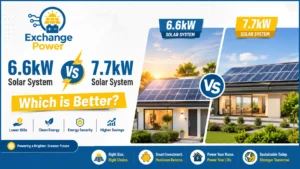
The increasing need to use clean and affordable sources of energy has made solar power a favorite to residential and commercial buildings around Australia. The 6.6kW solar system and the 7.7kW solar system are among the most popular available today. The two systems both aim at providing consistent energy production and eventual savings, but the selection of the two systems varies with the energy usage rate, the size of the property, and the electricity demands in the future. To make a wise investment in a solar system, it is important to understand the difference between a 6.6kW solar system and 7.7kW solar system.
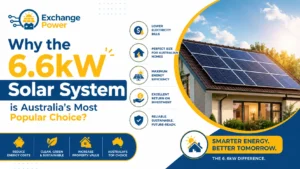
A 6.6kW solar system has been one of the most widely used systems installed in homes with the reason being the balance it has on prices as well as its performance. The system has an average panel count of 15 to 18 solar panels (depending on panel wattage) and is accompanied by a 5kW inverter. The 6.6kW is an appropriate solar system to use in small-sized to medium-sized houses with average energy consumption. It is capable of producing a good amount of electricity to meet daily demand thereby saving on the use of grid power and it will save a great deal of money in terms of electricity payments in the long run.
Conversely, a 7.7kW solar system has a little higher power output, plus it suits those households or companies with higher power needs. This system typically consists of 18 up to 22 solar panels and they are coupled with a 6kW inverter. In comparing 6.6kW solar system to 7.7kW solar system, the extra power of the 7.7kW system will enable more energy generation, therefore, it is the right choice in large homes, with an extended family or where the property has plans of increasing its energy consuming devices, like electric vehicles or air conditioners.
One of the most significant aspects, when comparing a 6.6kW solar system and a 7.7kW solar system, is the energy output. Under the best conditions, a 6.6kW solar system is capable of producing 24 to 27 kWh of electricity per day depending on the area and access to sunlight. Comparatively, a solar system of 7.7kW has the capacity to generate approximately 28-33 kWh daily. This change of output might not appear much; however, with time the savings might be very big, particularly when applying to a building that consumes more electricity.
Another major factor to be considered in the comparison of a 6.6kW solar system with a 7.7 kW solar system is cost. The initial cost of a 6.6kW solar system is cheaper and this will make it just appealing to homeowners wishing to come in the solar energy with a low entry level cost. Nonetheless, the 7.7kW solar system is a more expensive but more valuable in the long-term with a higher energy output and less dependence on electrical grids. The high efficiency and payment per investment delivered by the bigger system normally explains the price disparity between the two systems.
The space size is also an issue in the selection on whether to install a 6.6kW solar system or a 7.7kW solar system. The solar system with low power (6.6kW) consumes a smaller area in the roof hence suitable on properties where space is limited to have solar system. A 7.7kW solar system, however, has more space as there are more panels. The larger properties could easily fit the larger system without loss of quality in installations as the bigger rooftop could accommodate the bigger system to produce maximum energy.
Another important aspect in the comparison of a 6.6kW solar system vs 7.7kW solar system is future scalability. The effective capacities of 6.6kW solar system and 7.7kW solar system are identical, though 7.7kW solar system will offer some extra capacity to support future expansions. Since the amount of electricity used will go up with time because of changing lifestyles, or the addition of new appliances, a slightly higher size can help avoid the expense of higher upgrades in the future. This renders the 7.7kW solar system a solution to a number of property owners in the future.
Both systems are further benefited by government incentives and rebates. In the case of either a 6.6kW solar system or 7.7kW solar system, either system qualifies under solar rebates in Australia and the Systems can help minimize the upfront costs. Rebate value usually depends upon the system size; this implies that a 7.7kW solar system can enjoy slightly better incentives. This can be used to offset the cost difference in the first place and make the entire system more affordable.
Another item where the above mentioned comparison (between the 6.6kW solar system and 7.7kW solar system) applies is performance efficiency. Both systems apply hi-tech solar technology that turns sunlight into electricity. The bigger size however, of the 7.7kW solar system enables it to perform better during peak hours of sunlight, producing a more surplus energy that can be exported to the grid. This may result in other financial gains in terms of feed-in tariffs.
Environmental cost of selecting a 6.6kW solar system over 7.7kW solar system is also important. The two systems also help in minimising carbon emissions and ensuring that energy is used in a sustainable way. Nevertheless, a 7.7kW solar system will produce more power hence reducing the dependence on the use of fossil fuels by a higher margin leading to greater positive environmental impact in the long-term.
Both systems have very low maintenance requirements, are convenient and reliable energy sources. Regular cleaning and periodic inspection is enough to maintain the optimum performance whether it is a 6.6kW solar system or 7.7kW solar system. They are both systems that are durable and long-lasting to generate power over a matter of decades.
Whether to go with 6.6kW solar system or 7.7kW solar system finally depends on future objectives and personal energy requirements. A 6.6kW solar system is a perfect fit to those wanting an affordable yet an efficient system to service moderate power consumption. A 7.7kW solar system on the other hand is more attuned to a higher consumption property or potentially higher expansion intentions. This can be compensated by some increased savings, better energy autonomy and additional sustainability advantages due to the moderately increased investment in 7.7kW solar system.